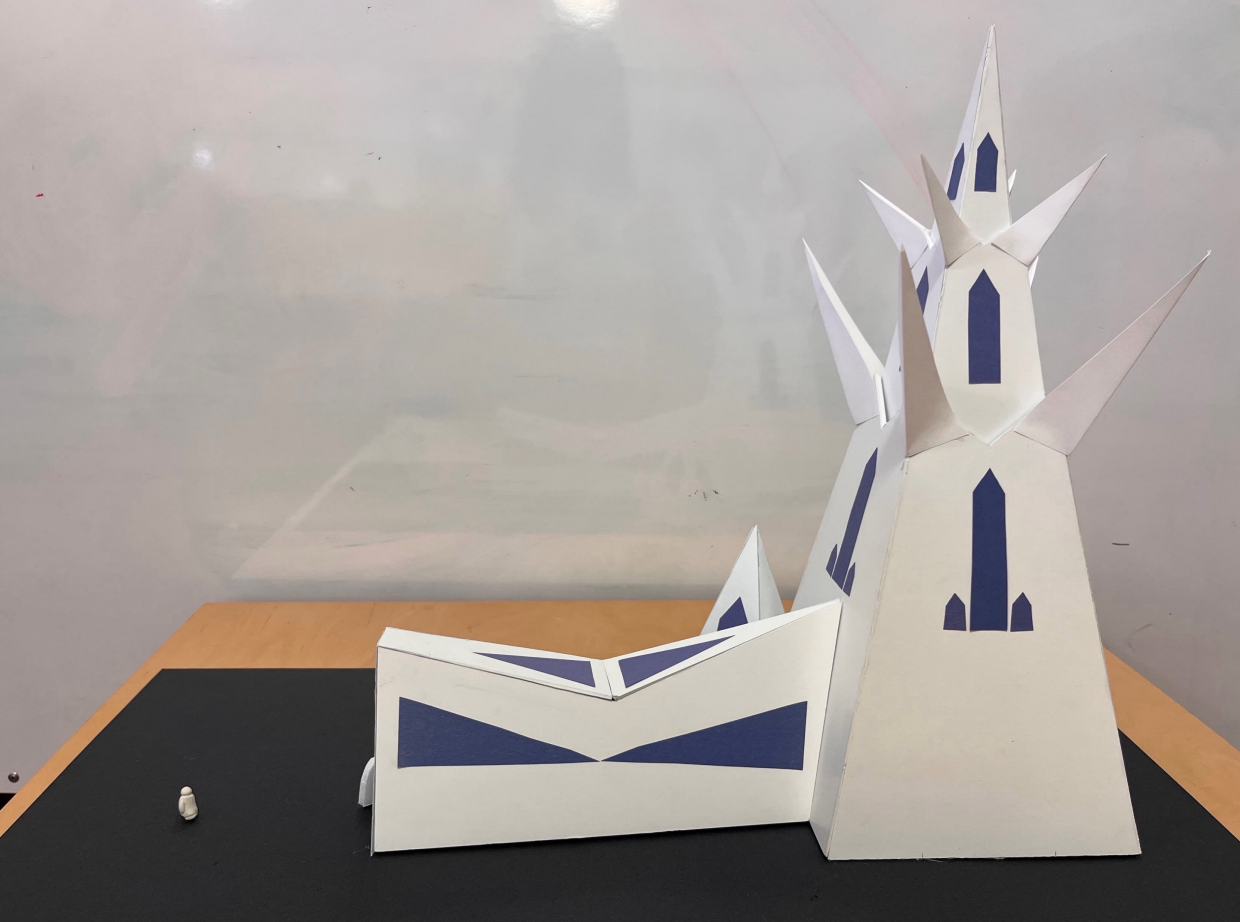
Static Physical Projects
This is a gallery of all the physical projects I have worked on with no moving pieces, ranging from functional to purely aesthetic undertakings.

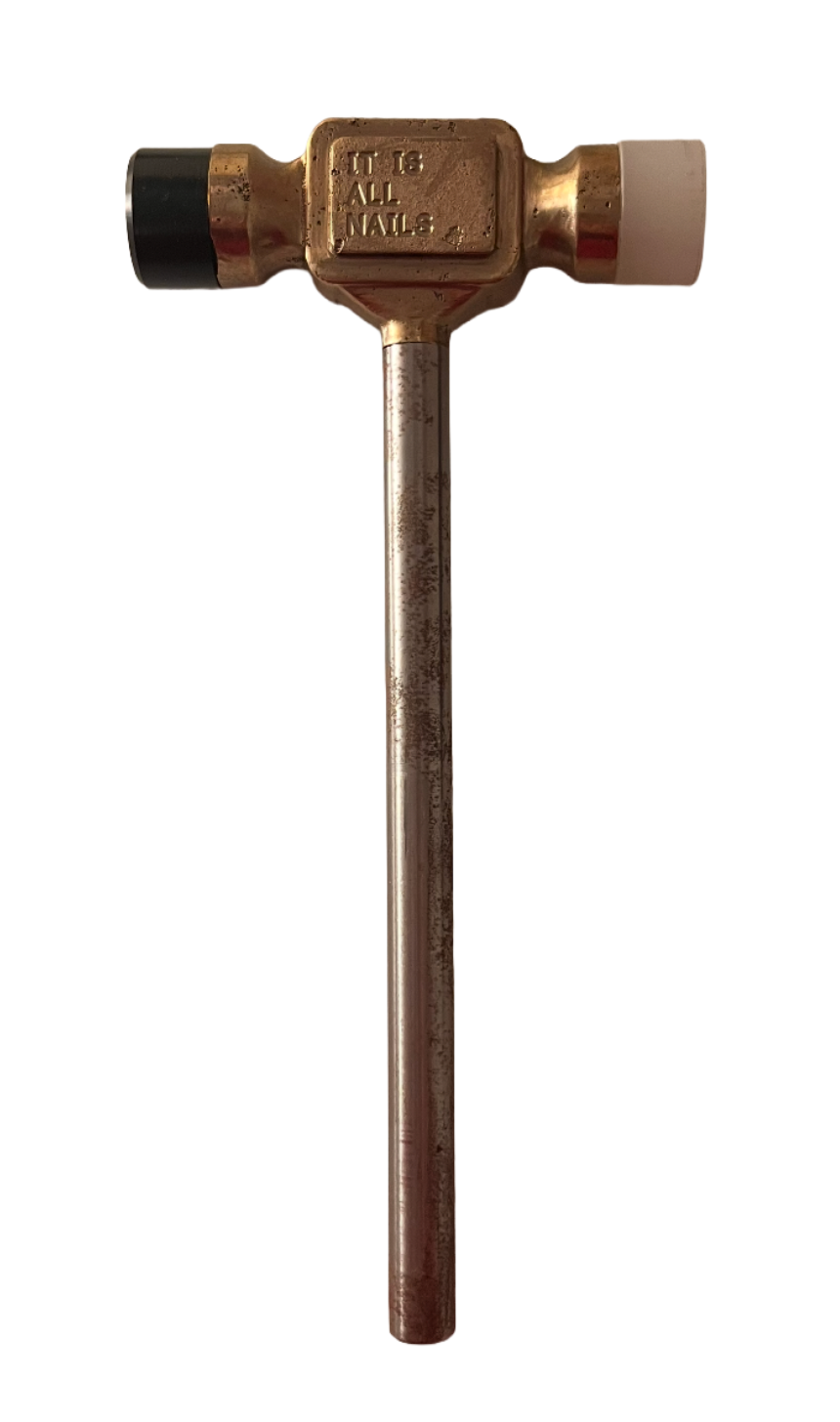
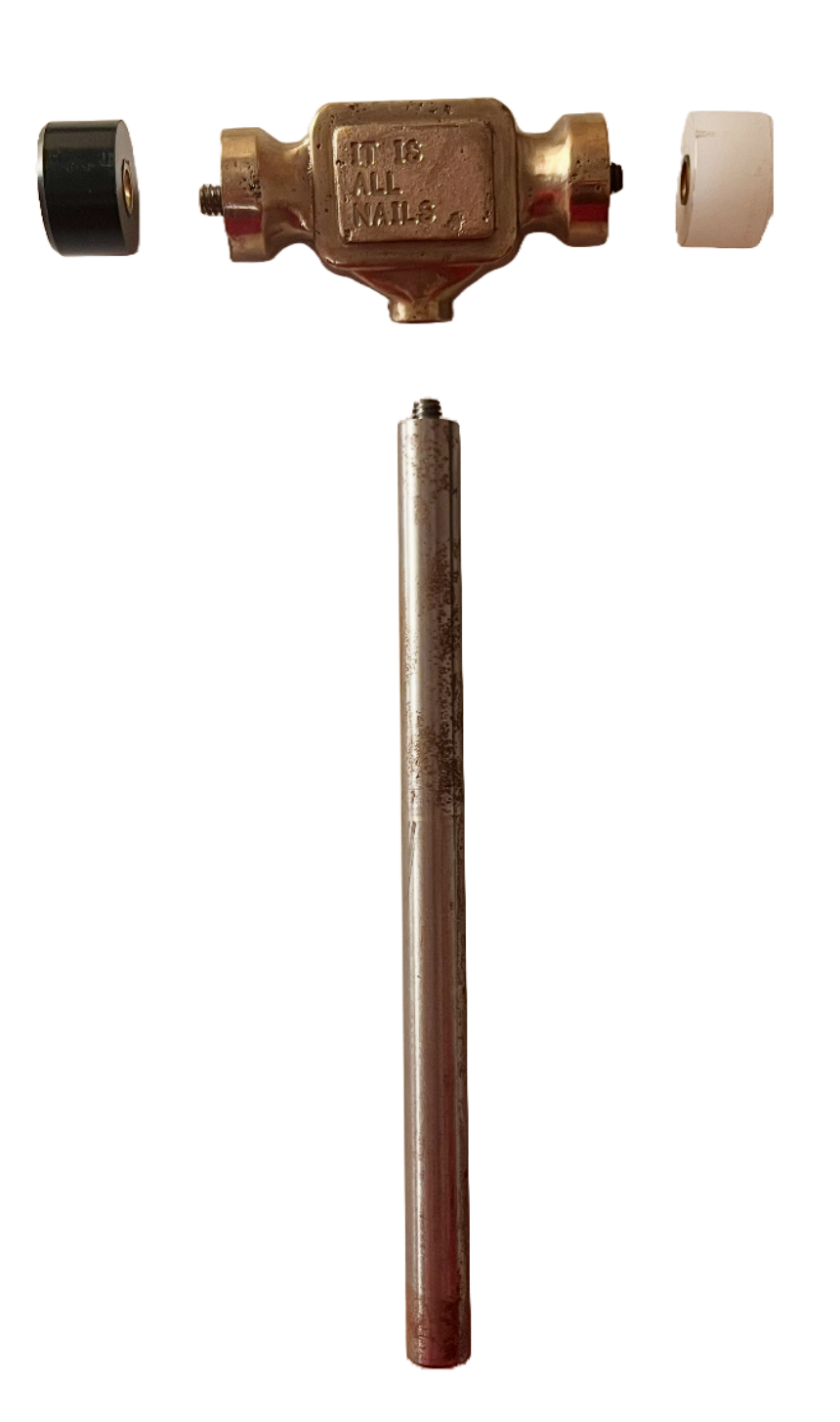
Machined Hammer
The Machined Hammer & Toolbox project showcases full-cycle fabrication from technical drawings to final assembly. I machined high- and low-density plastic stock and bronze cast components using milling, turning, drilling, tapping, and CNC engraving, incorporating heat-set inserts and a threaded rod core to ensure structural integrity and accurate alignment. Tight tolerances and careful measurement maintained concentricity across mating parts, while mixed-material mechanical joining and refined hand finishing resulted in a durable, precise tool.
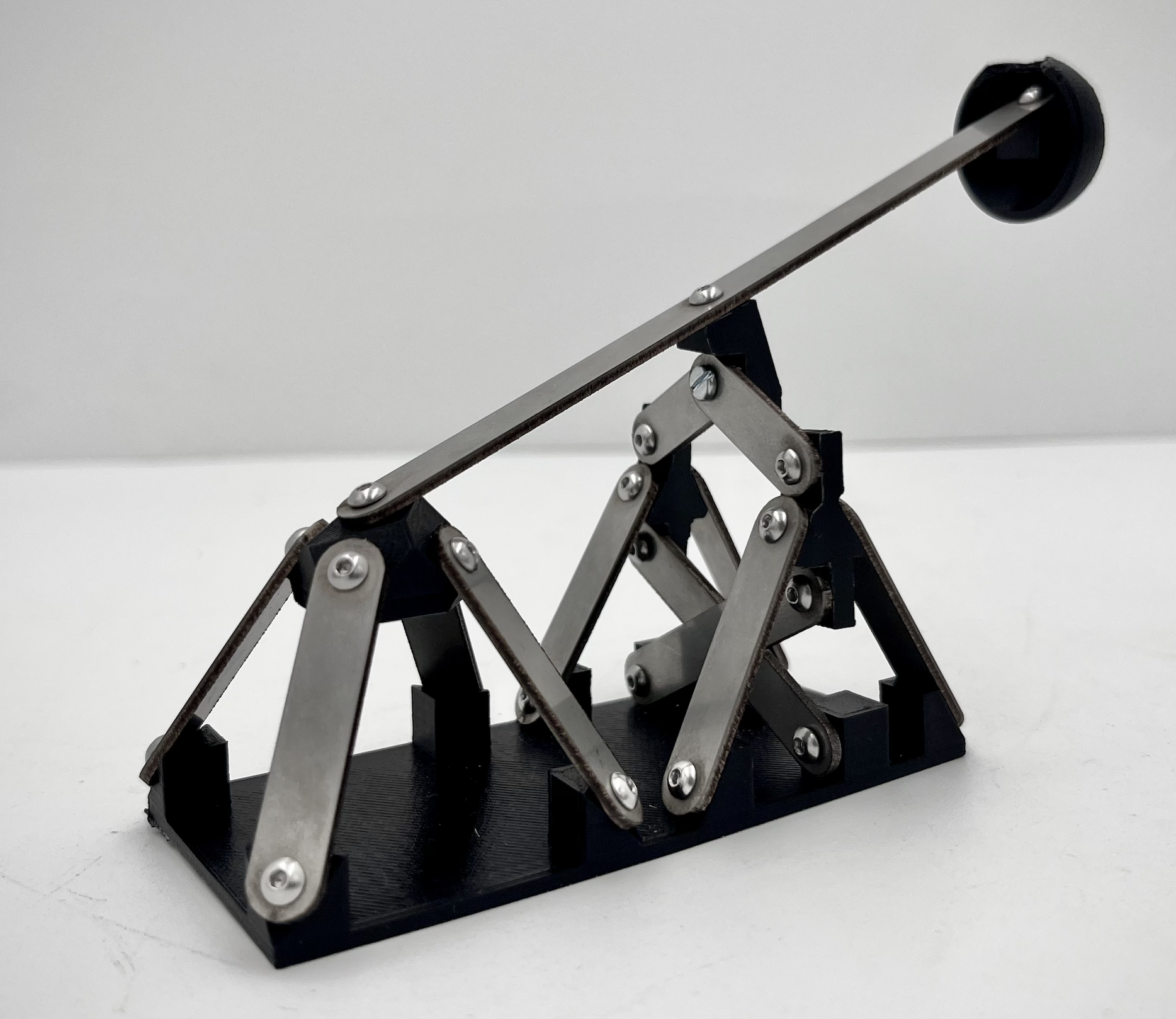
Lunar Module Landing Gear
Group Project: Hazel Jones, Victoria Huske, and Colin Crown
In this project we recreated a simplified, planar version of one Lunar Module (LM) landing leg using flat steel members connected by 3D‑printed joints.
The goal was to study how this truss-like structure carries a vertical landing load and how well simple beam / two‑force‑member models capture the leg’s stiffness and load paths.
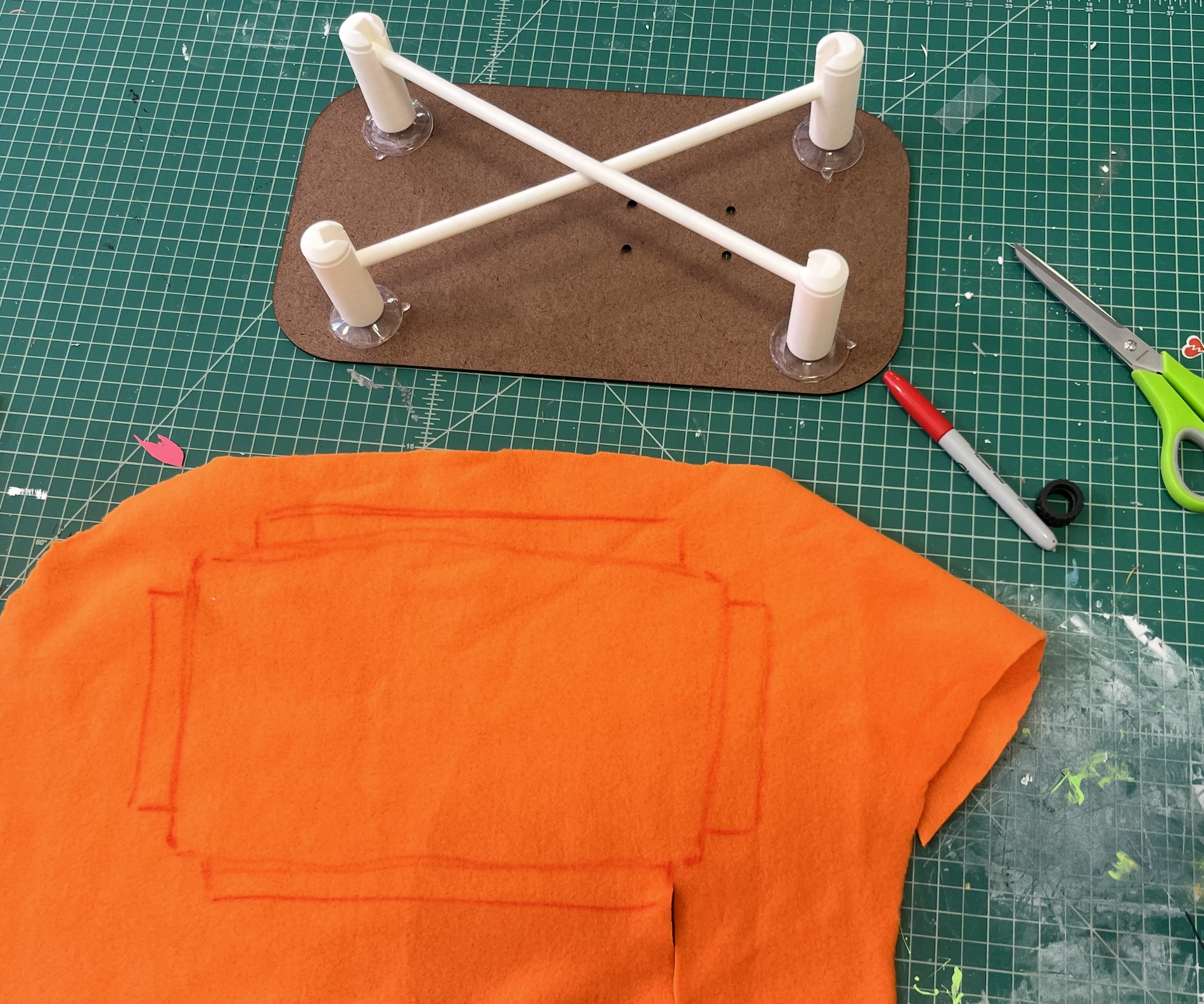
In Prototyping: Portable Changing Mat
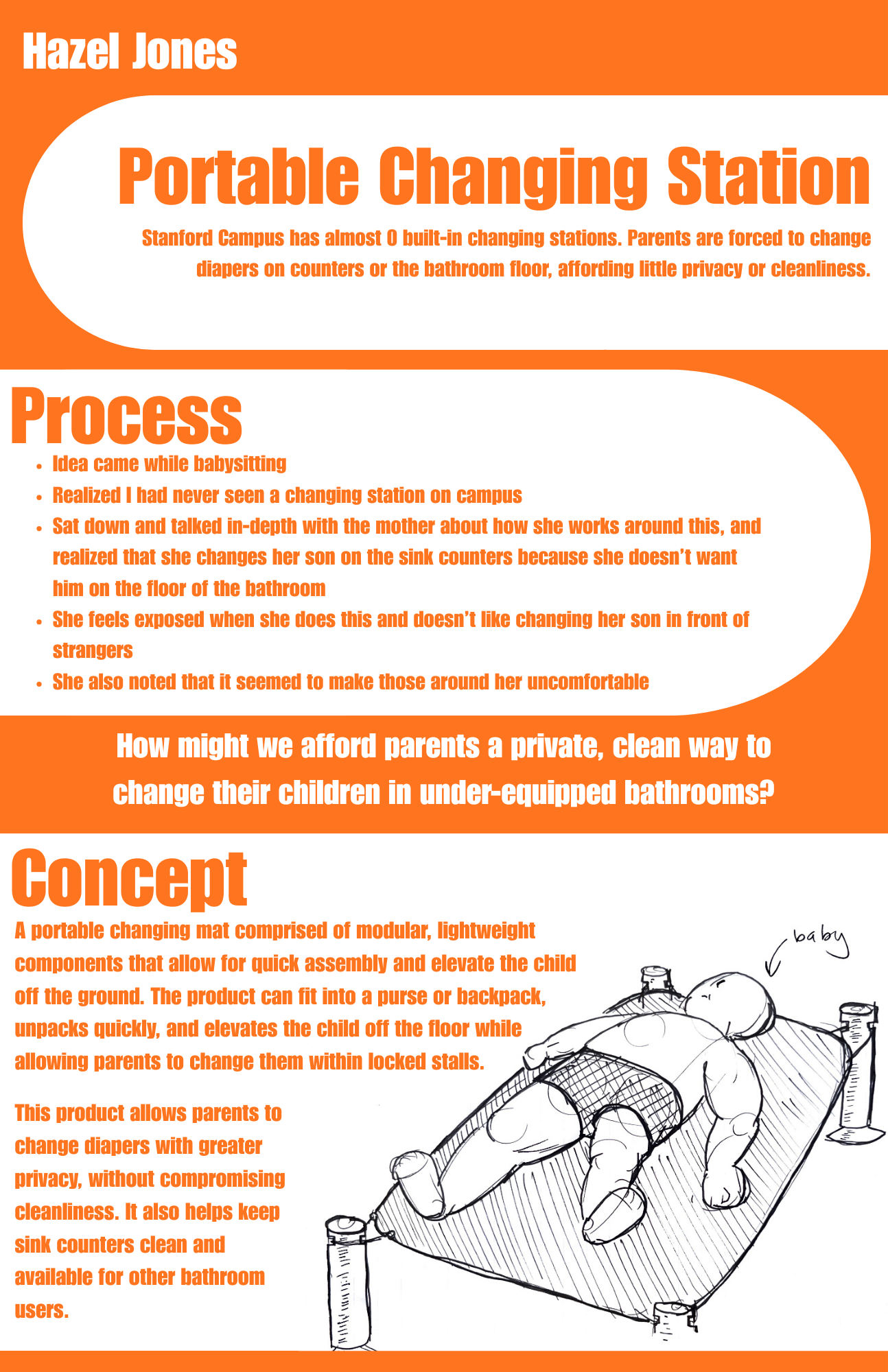
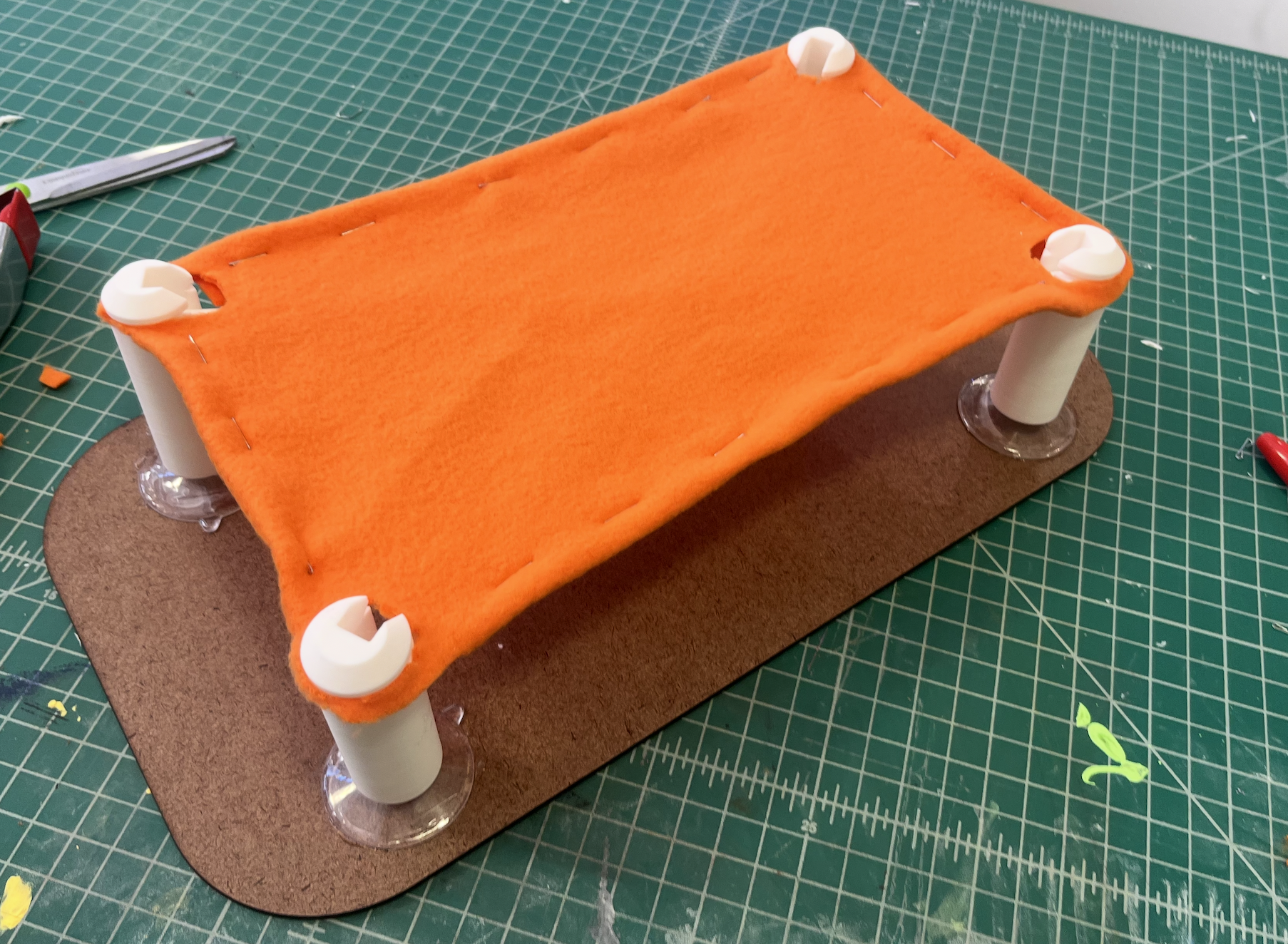
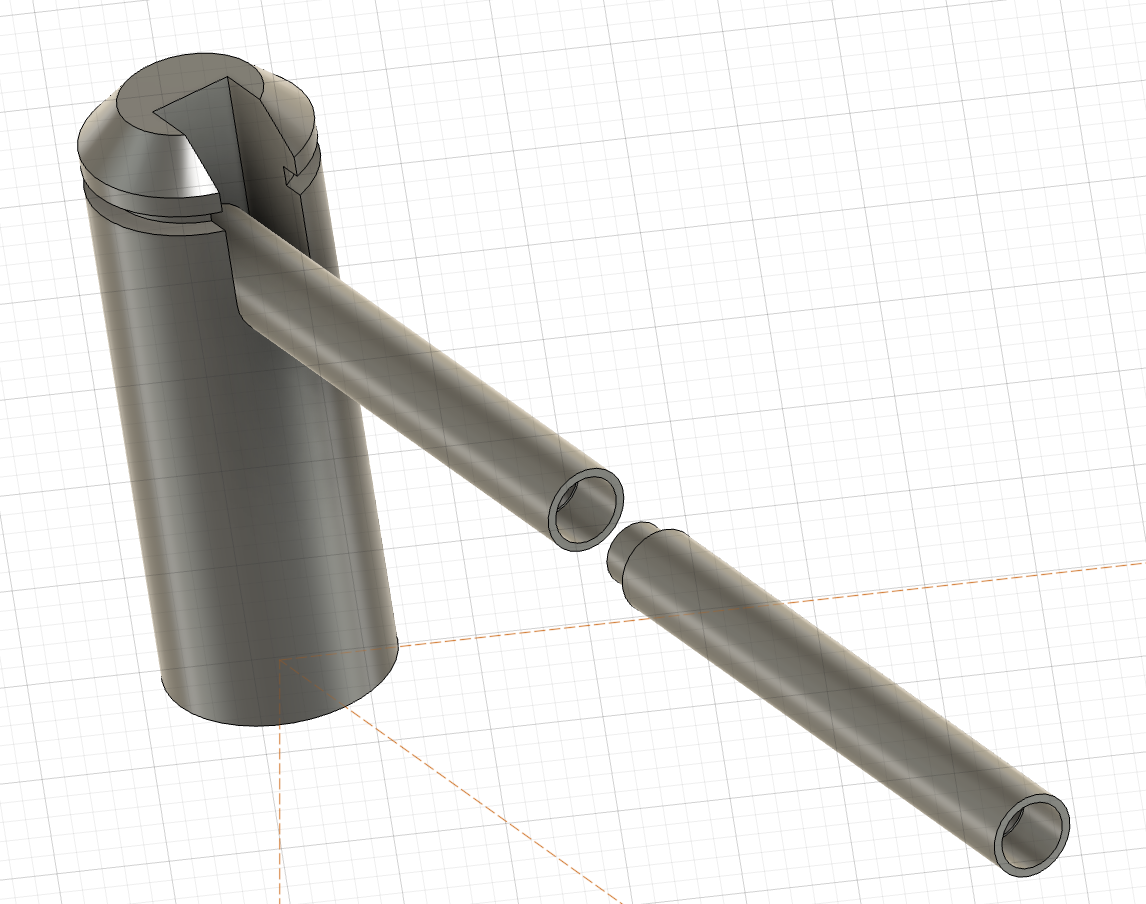
First prototype, constructed with modular 3D printed pieces, suction cups, felt, and adhesive.
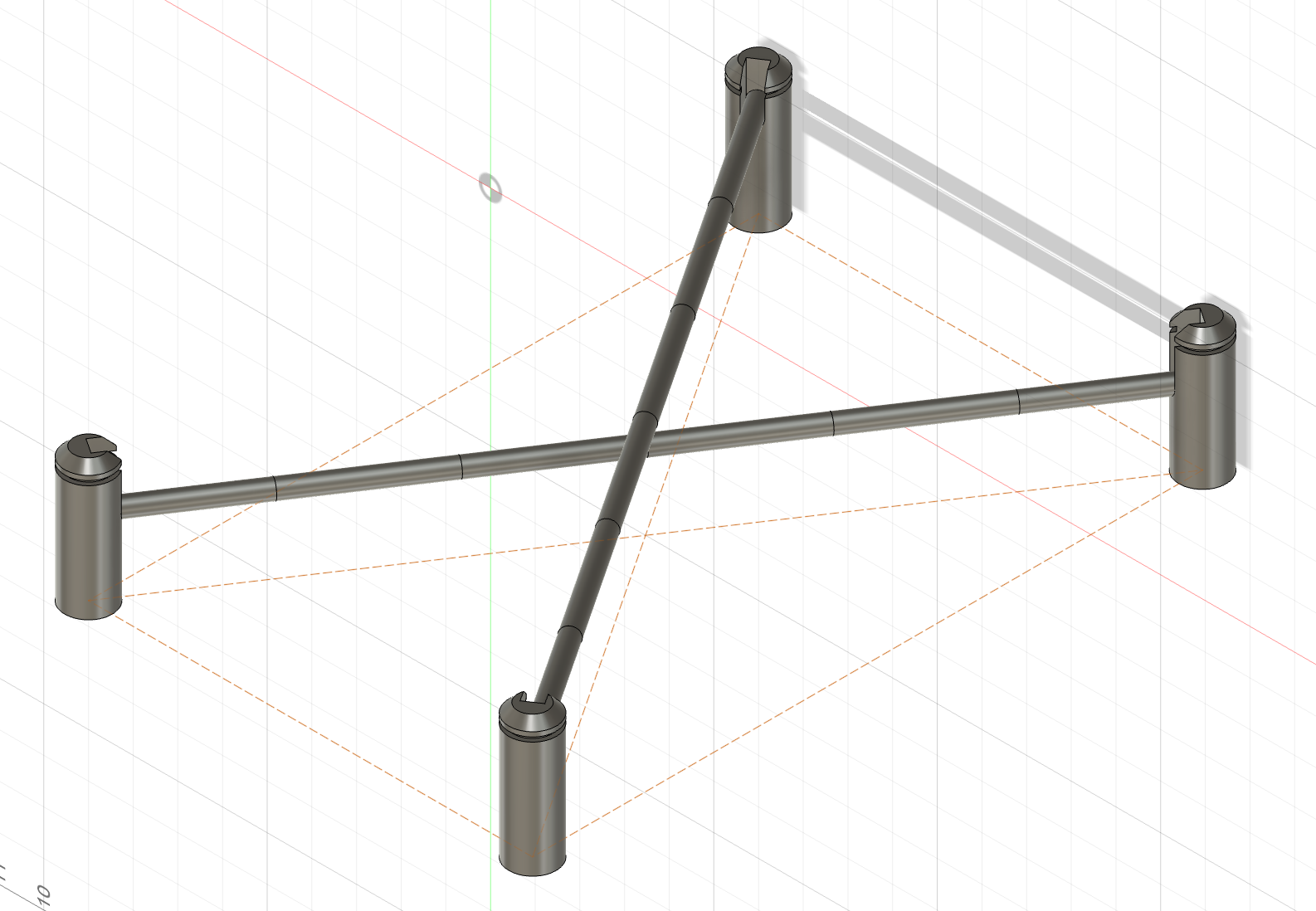
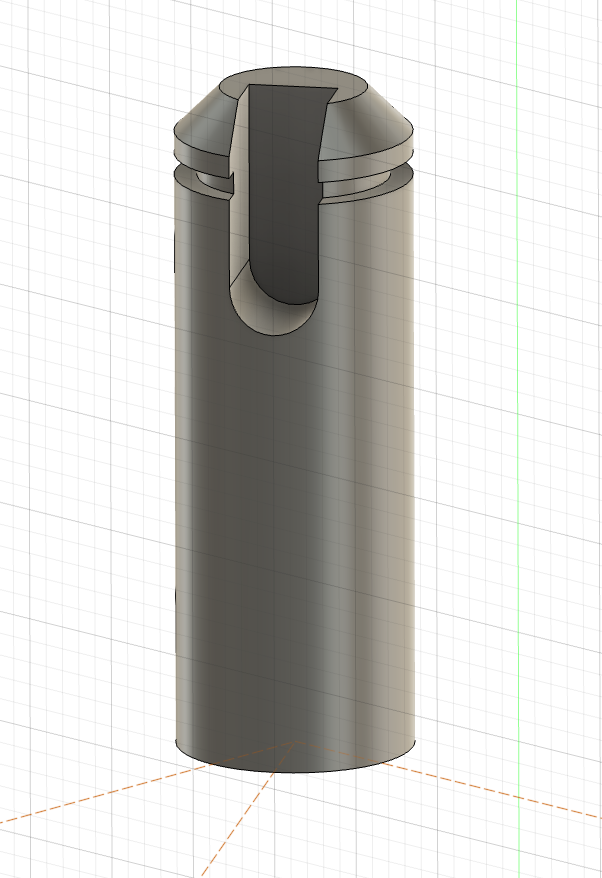
3D components and prototyping in-progress:
Splintering
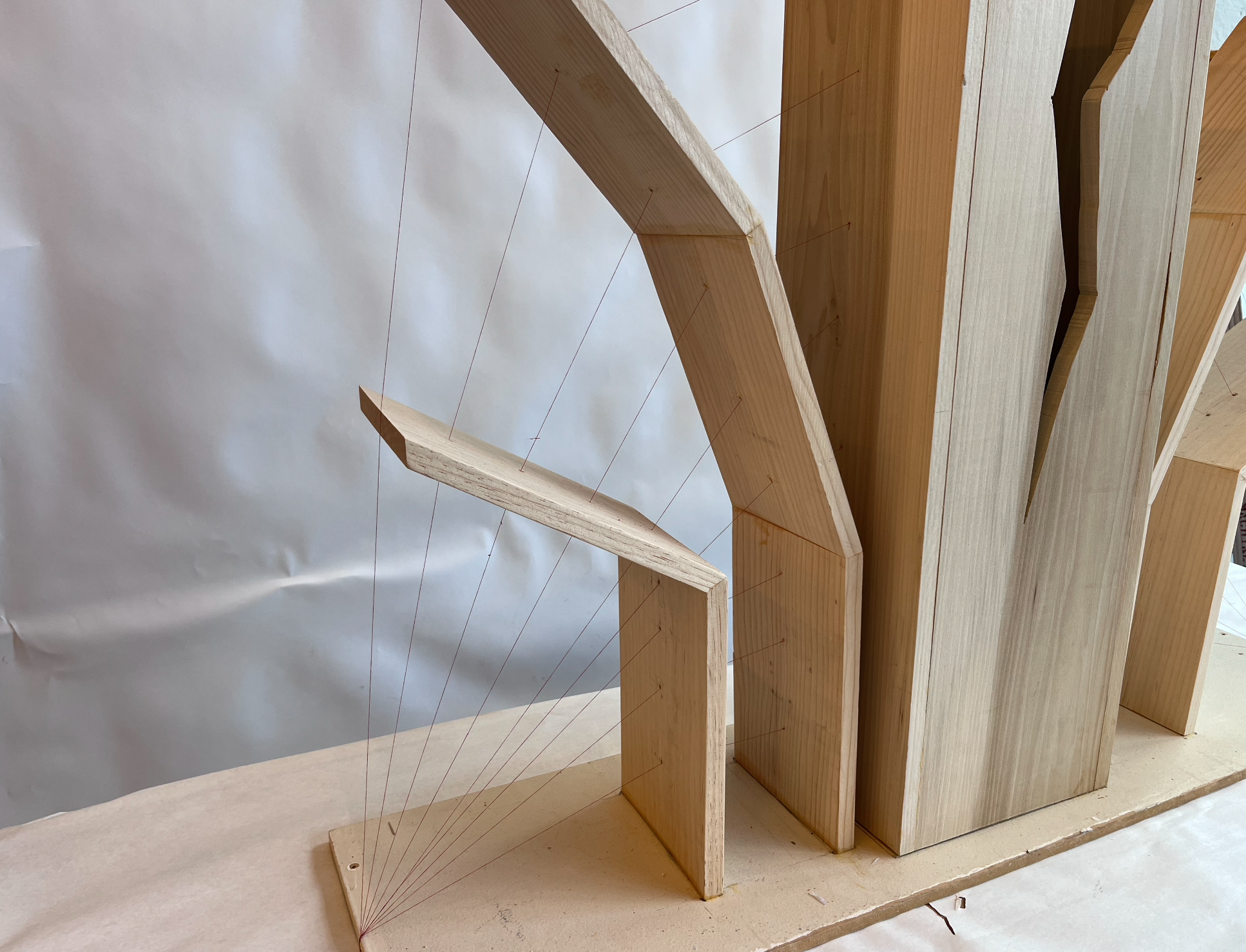
Wood and String
Splintering is a large-scale wood sculpture that examines how construction at a human scale can suggest tension and imbalance. Standing approximately four feet tall, the piece is built from a mix of new and scavenged wood, emphasizing the physical act of assembling a form that occupies space alongside the body.
Delicate red string is layered across the surface as a visual element. In contrast to the weight of the wood, it highlights edges, gaps, and lines of force without contributing to the structure itself. Through material contrast, scale, and exposed construction, Splintering explores how large forms can feel unsettled even when they remain structurally resolved.


Green House
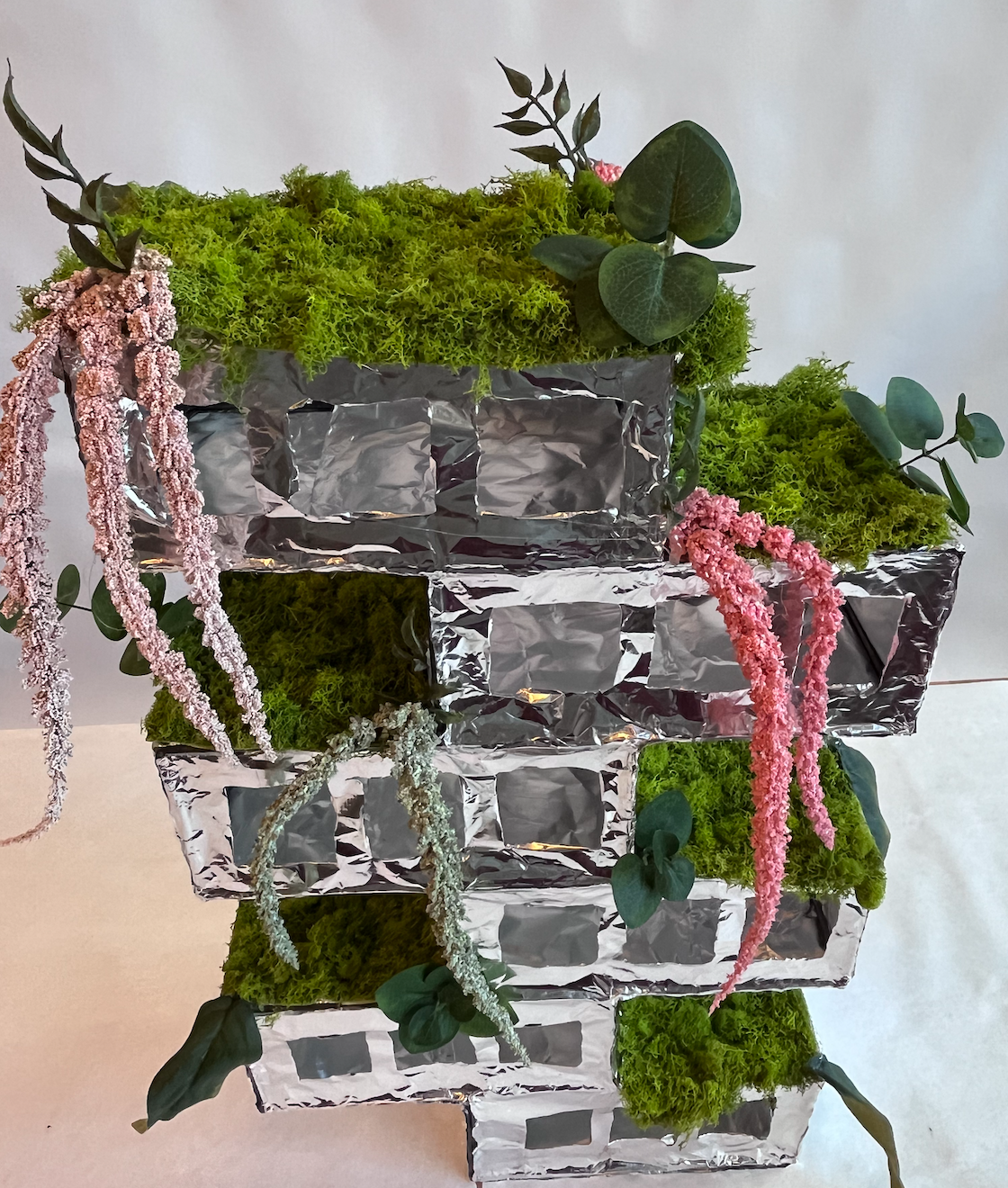
Steel, Aluminum Foil, Fake Plants
Made of a steel, aluminum foil, and fake plants, I wanted this piece to represent an “eco-brutalist” apartment building. The goal was to create a hypothetical environment in which people could share space with each other and with nature, constructed with a carefully balanced welded-rod skeleton and foil “skin”. This is both a utopia as well as an answer to how we can have a future while climate change looms.



Object Gratifying to Handle
Given the assignment to create an object gratifying to handle and a block of wood, I meticulously shaved away any protrusions putting pressure on my hand using a spindle sander and belt sander, resulting in a shape that melded perfectly with my palm. I then hand-sanded the final form to 1200 grit over the course of multiple weeks.


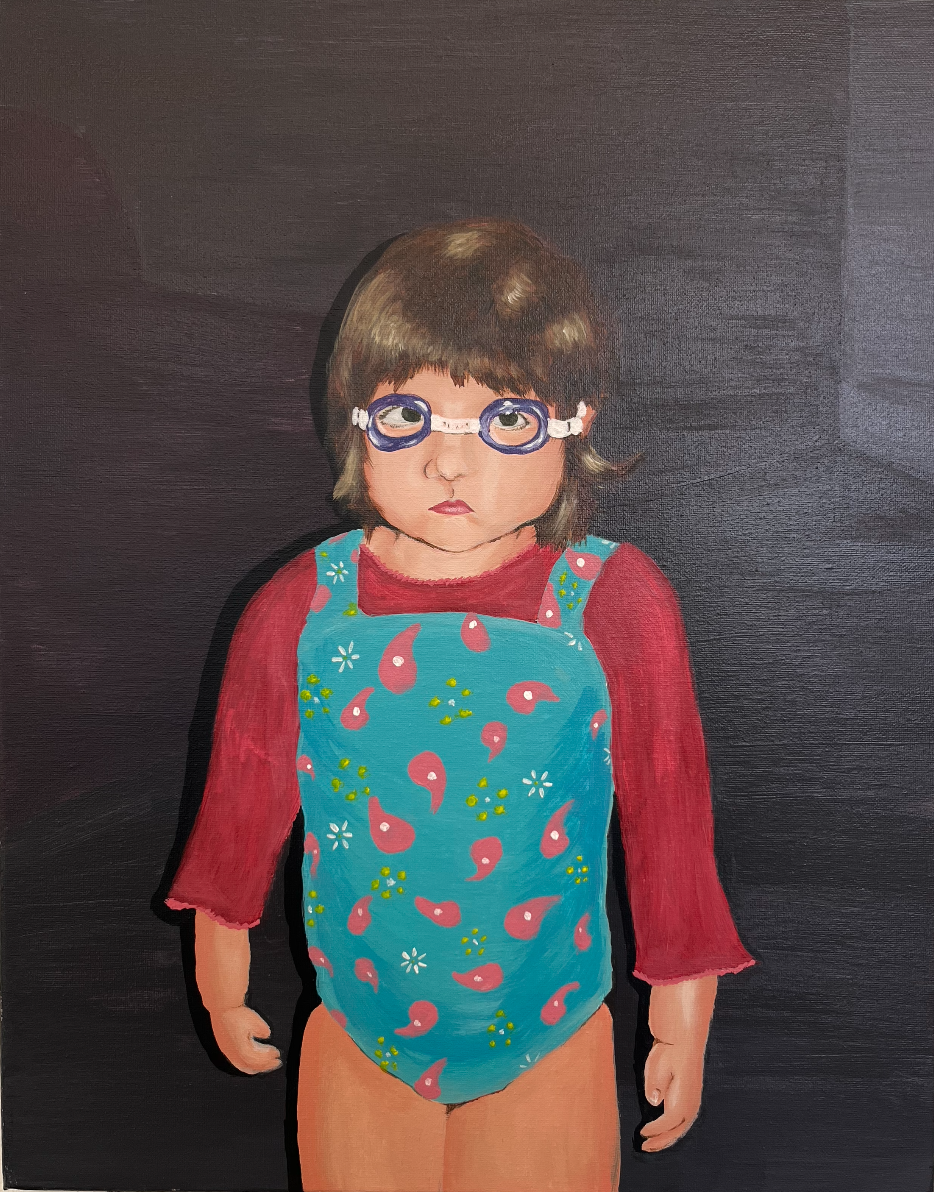
Self Portrait (Flood Watch)
Acrylic on Canvas
Hour Eleven
Acrylic on Canvas

DESIGN 60: Visual Expressions
A compilation of projects created for DESIGN 60: Visual Expressions.
Visual Expressions is a hands-on exploration of the grammar of imagery. The elements (line, shape, space, texture, color) and principles (dominance, balance, unity, contrast, proportion, rhythm) of visual design are experienced and interrelated through in-class exercises and homework projects.
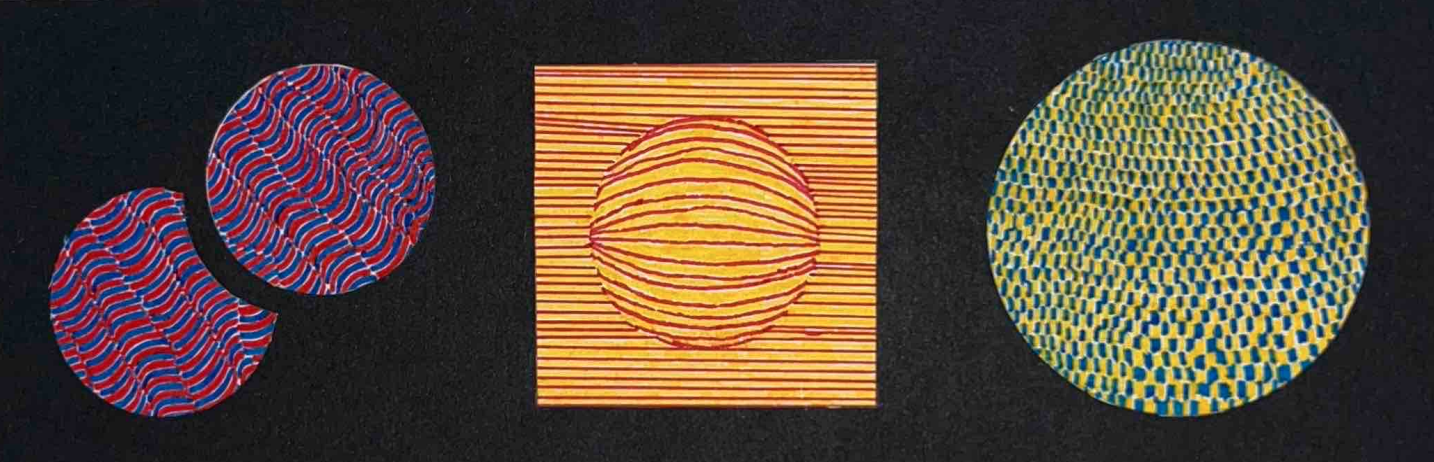
VIRTUAL TEXTURE AND OPTICAL COLOR
Prompt: “Using only three colored inks, cyan, (cool) red, and yellow, create three different textures, one orange, one green, and one violet. Do not mix or overlap inks. This project is concerned with the nature of visual texture, as well as the color potential in fibrous or cellular structures.”

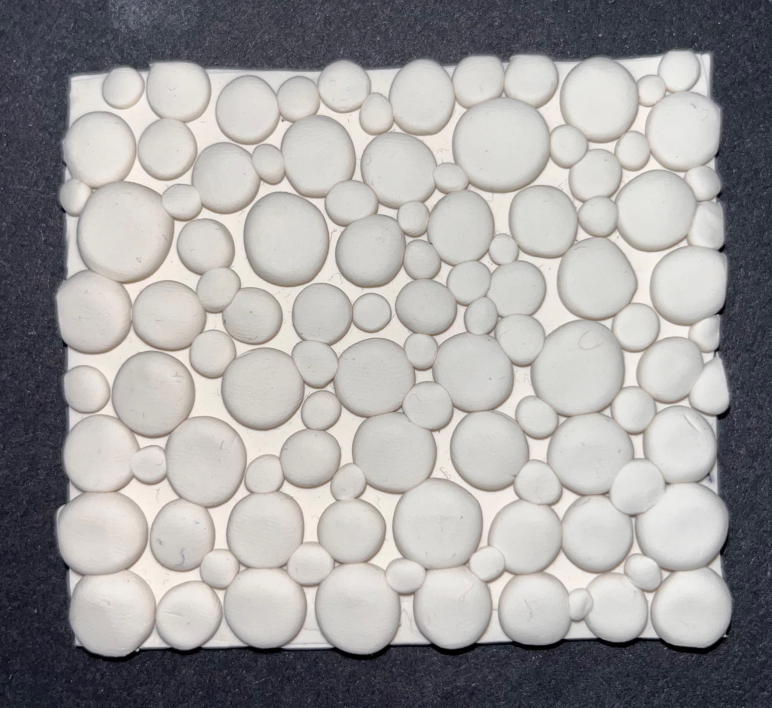
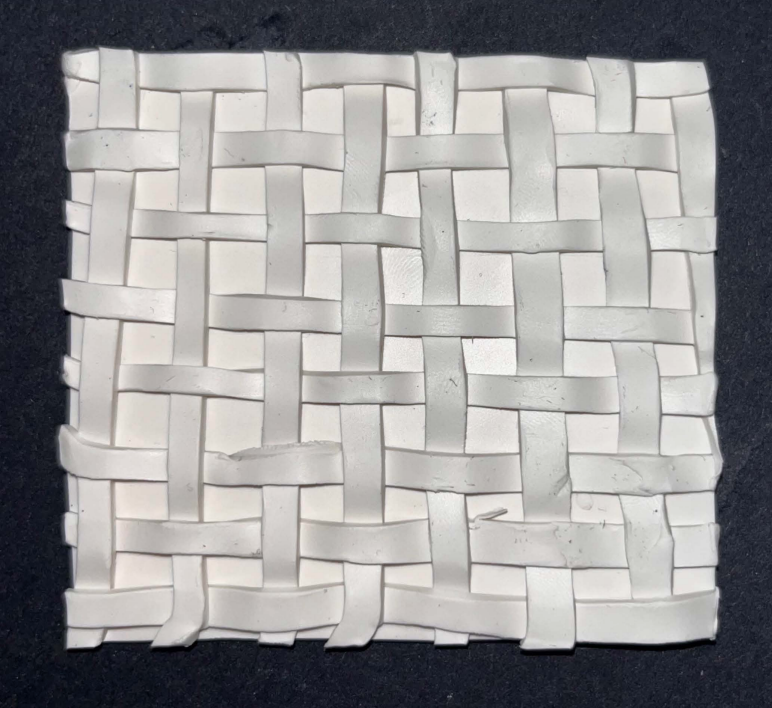
PHYSICAL TEXTURE
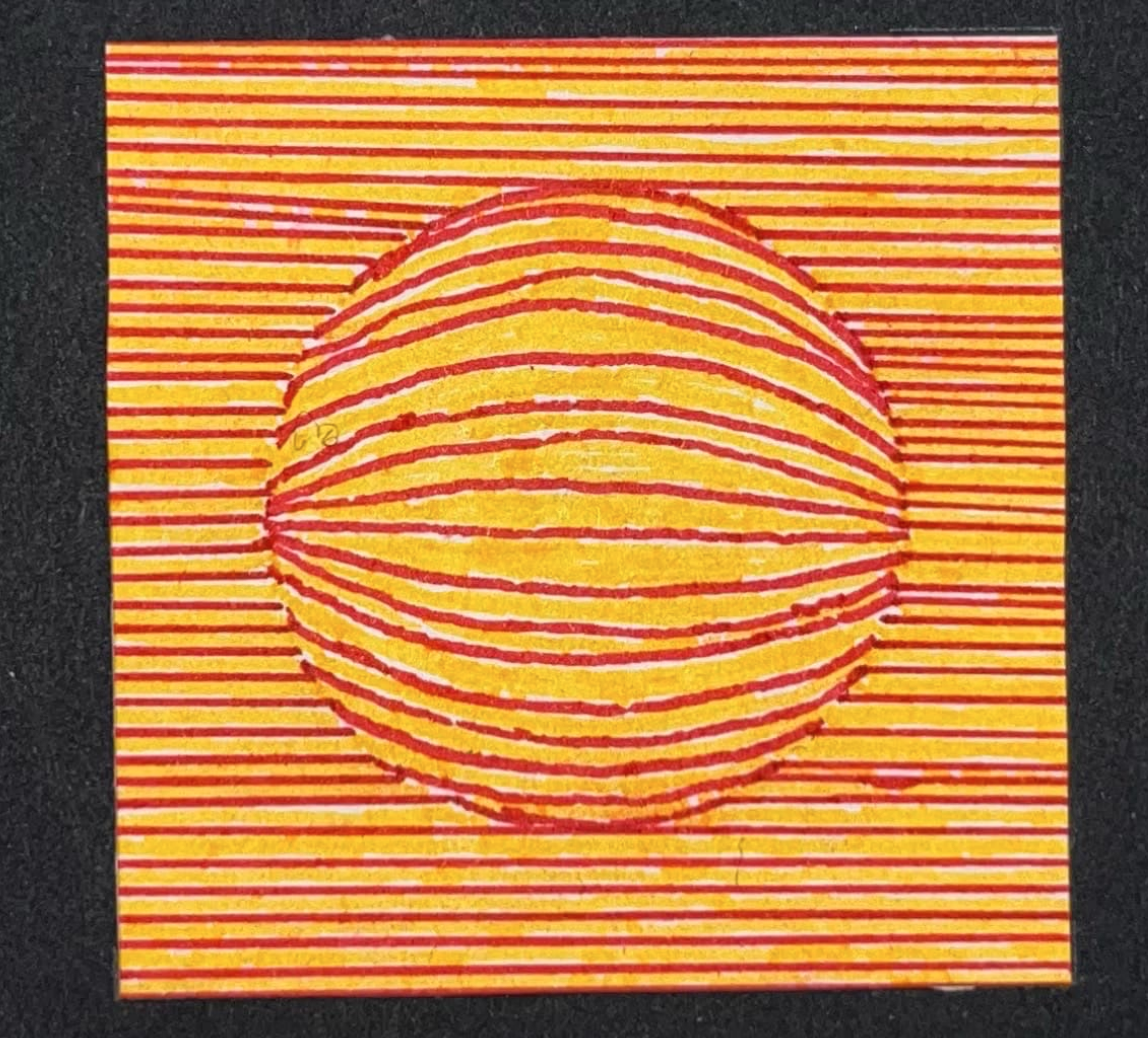
Prompt: “Many designed products must be grasped or handled as well as seen to be experienced. With this in mind, create six textures that feel and appear distinctly different from one another. Textured surfaces can be produced through subtraction (carving), addition, or other means, but the same media should be used for all six textures. (Wax, soap, and Styrofoam are not appropriate media here due to their surfaces’ overbearing tactile natures.)”


COMPOSITION
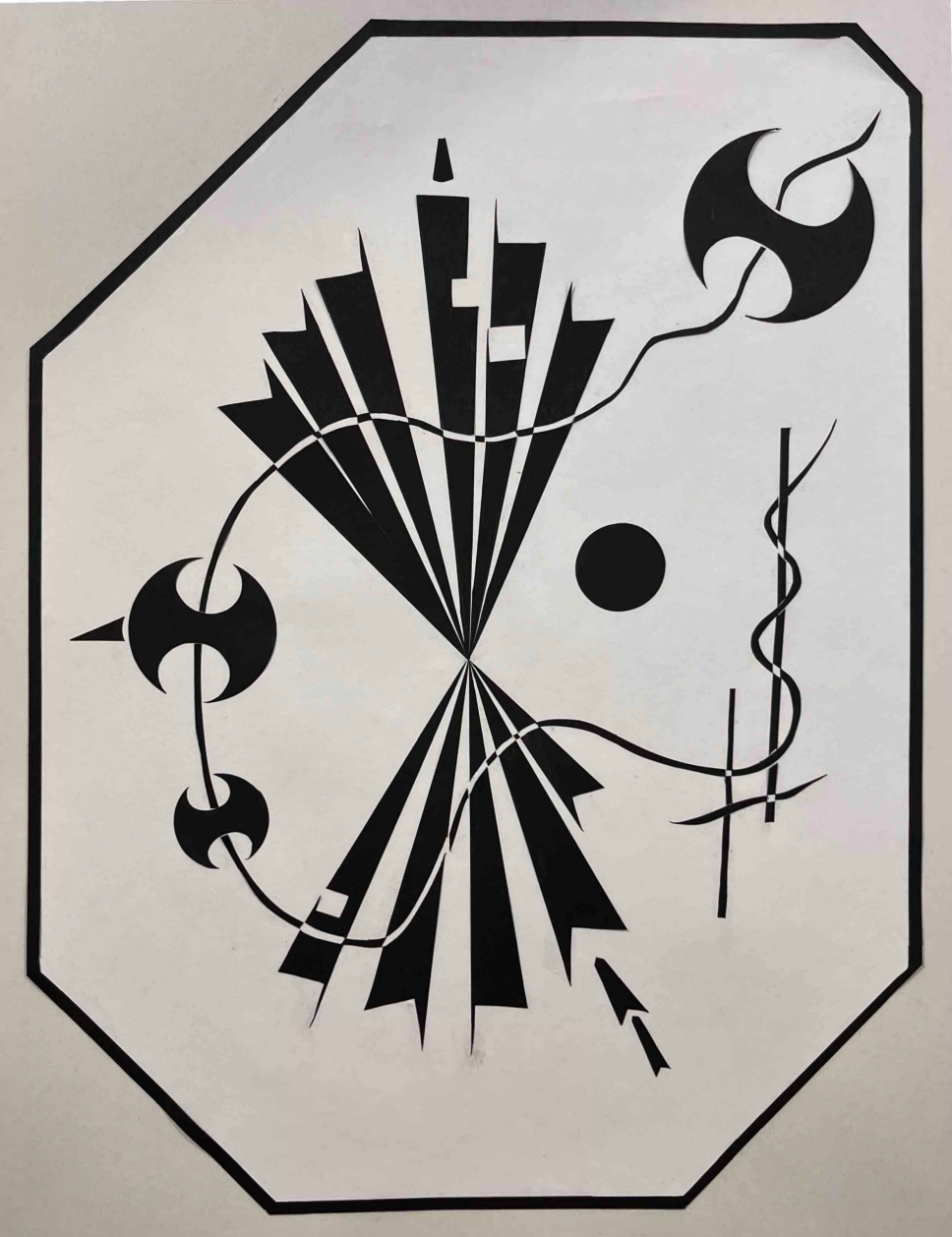
Prompt: “Create a non-representational black-&-white composition where the two colors take turns being foreground and background. The composition should:
have an overall sense of unity
use one or more types of contrast
use dominance to subordinate the contrast
be balanced but not symmetrical
use no actual lines”
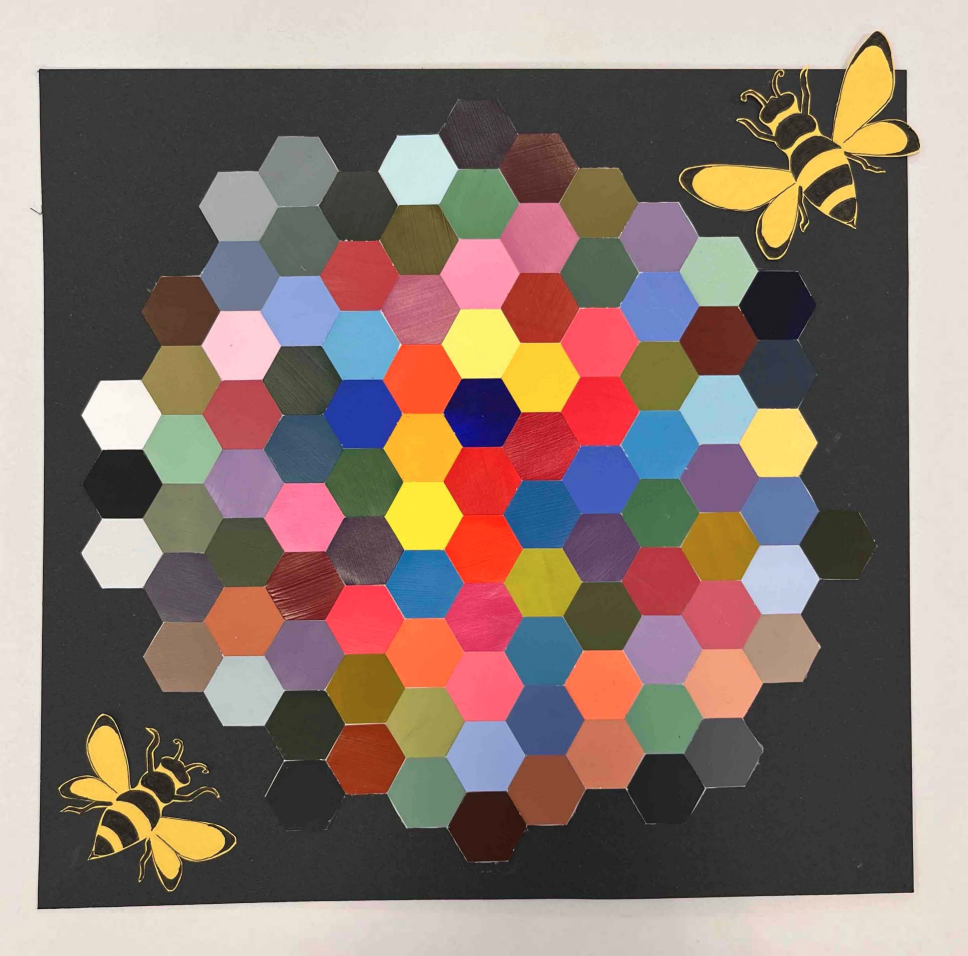
COLOR RELATIONSHIPS
Prompt: “Establish a basic composition such as a mosaic of squares, triangles, or other shapes that will enable you to construct a color progression from the center outward (or left-to-right, top-to-bottom, etc.).
In plate 1 make the center areas saturated, progressing unit by unit towards an unsaturated perimeter.
In plate 2 make the center light and move progressively toward a dark outer band.
Each plate should contain at least 100 distinctly different colors, with the same colors used for each plate.”


ARCHITECTURE
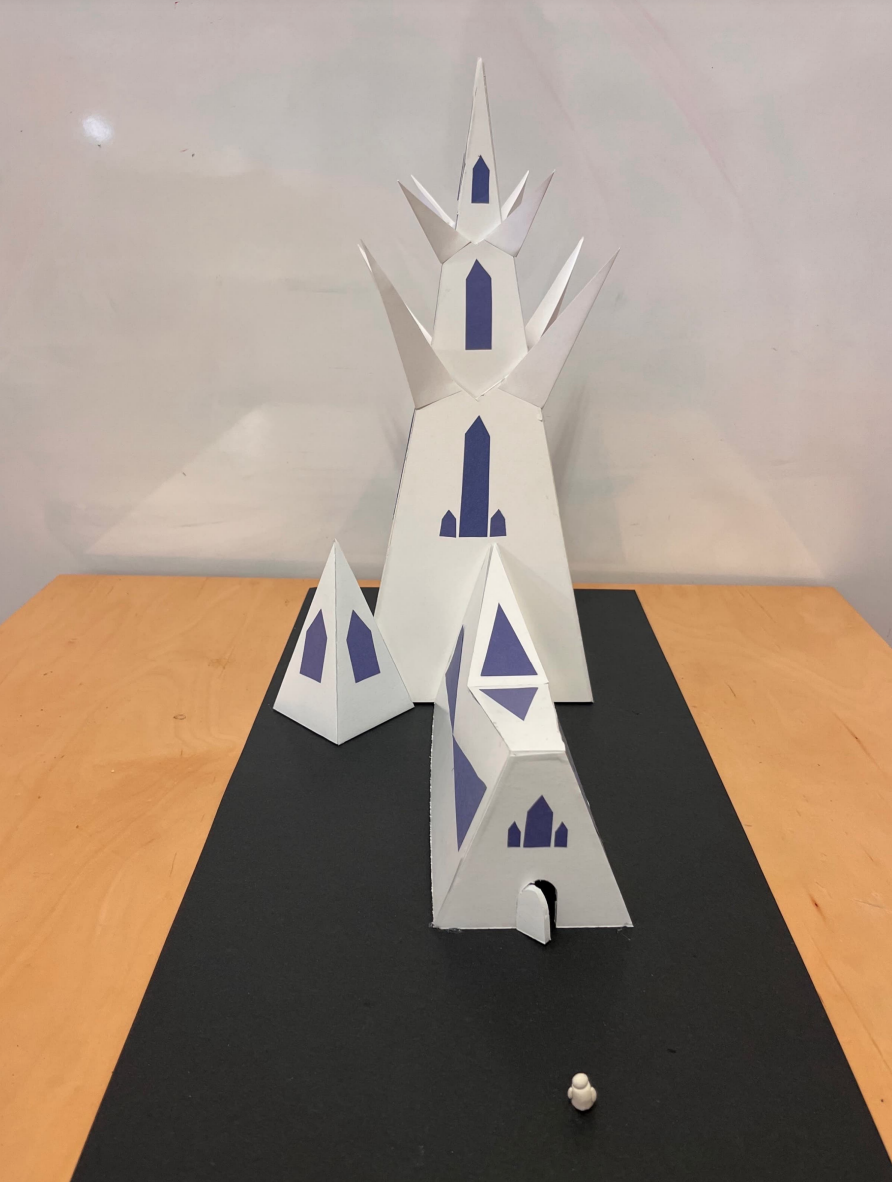
Prompt: “Design and construct an architectural model. Through its particular qualities of space and form, your design should address one of the following needs:
Prayer/Meditation — Museum — Drama (Theatre) — Recreation — Transportation Hub —Commemoration”
I chose prayer/meditation, and designed this foamcore structure to emulate a Gothic Church.





TEXT AS GRAPHICS
Prompt: “Successful graphic design often exploits letters and words as graphical elements (shapes). Choose a word and design the letters and/or the overall appearance of the word to visually support, comment on, or otherwise relate to its meaning.”